Helping Your Child Say Goodbye to the Pacifier

Helping Your Child Say Goodbye to the Pacifier

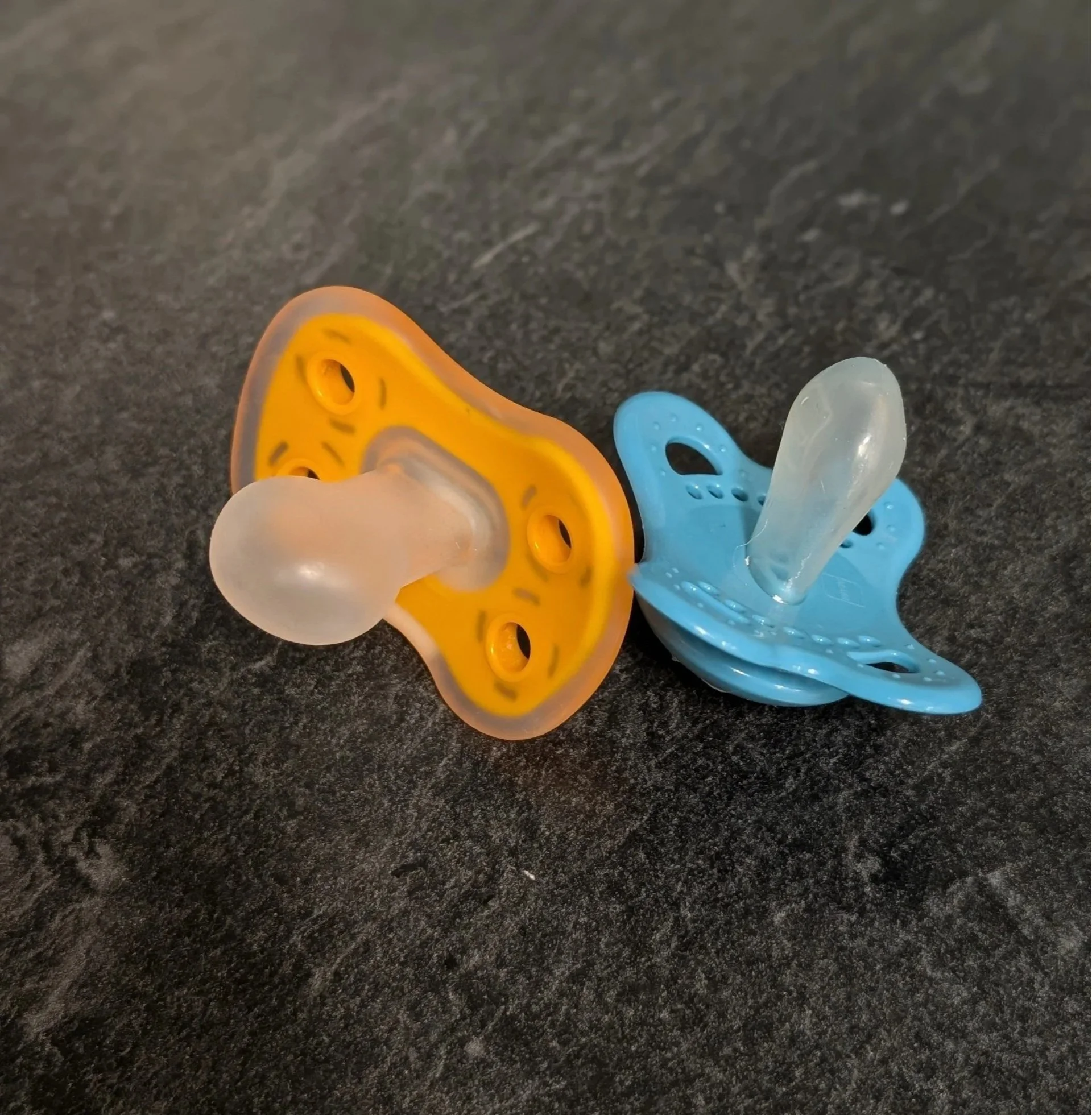
For many young children, a pacifier is a source of comfort. It helps soothe them during naps, bedtime, and stressful moments. While pacifiers can be very helpful during infancy, there eventually comes a time when children are ready to move on from them.

For parents, this transition can feel a little intimidating. The good news is that with patience and a gentle approach, most children adjust more easily than we expect.

Start by Limiting Pacifier Use

Instead of removing the pacifier all at once, begin by slowly limiting when it can be used. Many families start by allowing pacifiers only during naps and bedtime. Over time, children become less dependent on it during the day and rely more on other ways to self-soothe. Have a conversation with your child’s caregiver to make sure everyone is on the same page when it comes to pacifier time and when it is not pacifier time.

Replace the Pacifier with Another Comfort

Pacifiers often provide emotional comfort, so it helps to offer another source of security. A favorite stuffed animal, a small blanket, or a consistent bedtime routine can help fill that role. These comfort items can make the transition feel less overwhelming for children.

Talk About the Change Ahead of Time

Even toddlers benefit from simple explanations. Let your child know that they are growing and will soon be saying goodbye to their pacifier. Talking about the change ahead of time helps prepare them and reduces surprises.

You might say something like, “Your pacifier helped when you were little, but you’re getting so big now, and your body can sleep without it.”

Make it a Positive Milestone

Some families find it helpful to turn the transition into a small celebration. Children may enjoy leaving their pacifier out for the “Pacifier Fairy,” trading it for a new stuffed animal or book, or placing it in a special goodbye box. Framing it as something exciting can help children feel proud of the change.

Offer Extra Comfort During the Transition

The first few nights without a pacifier may be a little harder. Offering extra cuddles, reading an additional bedtime story, or sitting nearby while your child settles can provide reassurance and help them feel safe.

Celebrate Their Success

Encourage your child as they adjust. Celebrate small victories like falling asleep without their pacifier or making it through the night. A few words of praise can go a long way in building their confidence.

Every child moves at their own pace, but most adjust within a week when parents remain calm and consistent. With a little patience and support, saying goodbye to the pacifier can become a positive step in your child’s growth.

Why Schedules and Routines Matter for Young Children — and How to Create Them at Home

Why Schedules and Routines Matter for Young Children — and How to Create Them at Home

Life with young children can often feel busy and unpredictable. Between meals, naps, playtime, and daily responsibilities, parents may wonder if routines really make a difference. The answer is yes — consistent schedules and routines are one of the most powerful tools for helping young children feel secure, confident, and successful.

For children under age 5, predictable routines provide structure in a world that still feels very new to them.

Why Routines Are So Important for Young Children

Young children thrive on knowing what comes next. When daily life follows a predictable pattern, children feel safer and more relaxed because they understand their environment.

❤️ Emotional Security

Routines help children feel safe. When they know what to expect, anxiety decreases and cooperation often improves.

🧠 Better Behavior

Many challenging behaviors come from uncertainty or transitions. Predictable routines reduce power struggles because children already know the plan.

😴 Improved Sleep

Consistent mealtimes, nap times, and bedtime routines help regulate a child’s internal clock, making it easier for them to fall asleep and wake rested.

🎯 Growing Independence

When routines are repeated daily, children begin to participate independently — washing hands, cleaning up toys, or getting ready for bed with less assistance.

What a Healthy Routine Looks Like

A routine does not mean every minute must be scheduled. Instead, think of routines as anchors throughout the day.

Common daily anchors include:

  • Wake-up time

  • Meals and snacks

  • Playtime

  • Outdoor time

  • Nap or quiet time

  • Bath and bedtime routine

Consistency matters more than perfection.

How to Start Building Routines at Home

✅ Start Small

You don’t need to change everything at once. Begin with one predictable part of the day, such as bedtime or morning routines.

Example bedtime routine:

  1. Bath

  2. Pajamas

  3. Brush teeth and use the bathroom

  4. Read a book, pray, or sing a song

  5. Lights out

Repeating the same steps nightly helps children prepare mentally and physically for sleep.

✅ Keep Timing Consistent

Try to keep meals, naps, and bedtime around the same time each day. Even a 15–30 minute consistency window helps children adjust.

✅ Use Visual or Verbal Reminders

Young children respond well to simple cues:

  • “After lunch, it’s nap time.”

  • “Two more minutes, then we clean up.”

You can also use picture charts for toddlers and preschoolers to show the order of their day.

✅ Prepare for Transitions

Transitions can be hard for young children. Giving warnings helps them shift more smoothly.

Try:

  • “Five more minutes of play, then we clean up.”

  • Singing a cleanup song

  • Using timers as gentle reminders

✅ Be Flexible When Needed

Life happens — appointments, travel, or special events will sometimes interrupt routines. Flexibility is okay. Returning to familiar routines afterward helps children quickly regain balance.

Common Challenges (and Helpful Solutions)

“My child resists routines.”
Stay calm and consistent. Children often test new expectations before accepting them.

“Our evenings feel chaotic.”
Simplify. Focus on a calm, predictable bedtime sequence rather than adding more activities.

“I feel too busy for strict schedules.”
Remember, routines actually make days easier over time by reducing decision-making and struggles.

Simple Routine Ideas Families Love

  • Morning cuddle or book before starting the day

  • Family meals at the table

  • Daily outdoor play

  • Cleanup before transitioning activities

  • A calming bedtime ritual every night

These small, repeated moments become comforting traditions for children.

A Gentle Reminder for Parents

Routines are not about rigidity — they are about creating rhythm and security. Children don’t need perfectly planned days; they need predictable care and loving guidance.

When children know what to expect, they feel confident exploring, learning, and growing. Over time, routines reduce stress for both children and parents, making home life calmer and more connected.

Consistency, patience, and small daily habits can make a big difference — and your child will carry the benefits far beyond the early years.

The Power of Play: Why Play Matters for Children Under Age 5 — and How Parents Can Join in

The Power of Play: Why Play Matters for Children Under Age 5 — and How Parents Can Join in

When adults think about play, it can sometimes look like “just having fun.” But for young children, play is much more than entertainment — play is how children learn, grow, and understand the world around them.

During the first five years of life, children’s brains are developing rapidly. Every block stacked, pretend meal cooked, and game of chase played helps build important skills that support lifelong learning and emotional well-being.

Why Play is so Important in Early Childhood

Play supports nearly every area of development. Through play, children practice skills they will use for the rest of their lives.

🧠 Cognitive Development

Play encourages problem-solving, creativity, and curiosity. When children experiment with toys, puzzles, or pretend scenarios, they learn how things work and how to think independently.

🗣️ Language Development

Talking during play helps children build vocabulary and communication skills. Conversations during playtime teach children how to express ideas, ask questions, and understand others.

❤️ Social and Emotional Growth

Play allows children to practice sharing, taking turns, and managing emotions. Pretend play especially helps children work through real-life experiences and feelings.

🏃 Physical Development

Running, climbing, building, and dancing strengthen muscles, coordination, and balance while supporting overall health.

Simply put — play is a child’s most important work.

The Parents’ Role in Play

Parents do not need to entertain children constantly or create elaborate activities. What children want most is your presence and attention.

When parents join play, children feel valued and connected. Even short moments of engaged play can strengthen your relationship and boost your child’s confidence.

Remember: you don’t need to do it perfectly — just be involved.

Easy Ways to Play with Your Child

Follow Your Child’s Lead

Let your child choose the activity and guide the play. This builds independence and creativity.

Try saying:

  • “What are we playing today?”

  • “Show me how this works!”

Get Down on Their Level

Sit on the floor, make eye contact, and enter their world. This simple change makes play feel more meaningful to young children.

Use Everyday Moments

Play does not require special toys. Daily routines can become playful learning opportunities:

  • Cooking together and pretending to be chefs

  • Sorting laundry by color

  • Singing songs during bath time

  • Turning cleanup into a race or game

Encourage Imagination

Pretend play builds creativity and emotional understanding.

You can:

  • Be a customer in their pretend store

  • Attend a stuffed animal tea party

  • Pretend to be animals or superheroes

  • Build forts or obstacle courses

There is no right or wrong way — imagination is the goal.

Talk During Play

Narrate what you see and ask open-ended questions:

  • “I see you built a tall tower!”

  • “What happens next?”

  • “How did you make that?”

This strengthens language skills naturally.

Keep Play Simple

Children do not need expensive toys or packed schedules. In fact, open-ended materials like blocks, crayons, dolls, and outdoor spaces often encourage deeper learning than electronic toys.

Unstructured playtime allows children to explore, think, and create on their own.

Making Time for Play in Busy Days

Parents are busy, and long play sessions are not always realistic. The good news is that quality matters more than quantity.

Even 10–15 minutes of focused, distraction-free play each day can:

  • Reduce behavior challenges

  • Strengthen attachment

  • Increase cooperation

  • Help children feel emotionally secure

Put phones aside, follow your child’s lead, and enjoy the moment together.

A Gentle Reminder for Parents

Play is not extra — it is essential. When you laugh, pretend, build, and explore alongside your child, you are helping shape their confidence, creativity, and love of learning.

The memories you create during playtime become the foundation of the connection your child carries into the future.

So sit on the floor, be a little silly, and remember to your child, playing with you is the best toy they have.

Setting Healthy Boundaries for Children Under Age 5: Gentle, Loving, and Firm

Setting Healthy Boundaries for Children Under Age 5: Gentle, Loving, and Firm

One of the most important — and sometimes challenging — parts of parenting young children is setting boundaries. For children under age 5, boundaries are not about control or punishment. They are about helping children feel safe, secure, and confident as they learn how the world works.

Young children thrive when expectations are clear, consistent, and delivered with warmth. When parents balance kindness with firmness, children learn self-control, respect, and emotional regulation — skills that last a lifetime.

Why Boundaries Matter in Early Childhood

Children are not born knowing limits. Testing boundaries is actually a normal and healthy part of development. When adults calmly guide behavior, children learn:

  • What is safe and unsafe

  • How to manage big emotions

  • How to respect others

  • That adults are dependable leaders

Clear boundaries help children relax because they know someone is confidently in charge.

Gentle Parenting Still Needs Firm Limits

Being gentle does not mean saying yes to everything. Children feel most secure when parents are calm, loving, and consistent — even when the answer is no.

A helpful mindset is:

“I can be kind and still hold the limit.”

For example:

  • “I won’t let you hit. Hitting hurts. I’m here to help you calm down.”

  • “You’re upset that playtime is over. It’s okay to feel sad. It’s still time to clean up.”

You are acknowledging feelings while keeping the boundary.

How to Set Clear Boundaries

✅ Be Simple and Clear

Young children understand short directions better than long explanations.

Instead of:
“Please stop running because you might fall and hurt yourself…”
Try:
“Walking feet inside.”

✅ Stay Consistent

If a rule changes depending on mood or situation, children become confused and test limits more often.

Consistency teaches:

  • What to expect

  • That rules matter

  • That adults mean what they say

✅ Follow Through Calmly

The boundary only works if it is maintained.

If you say, “Toys that are thrown will be put away,” calmly follow through every time — without anger or lectures.

Calm follow-through builds trust more than raised voices ever will.

✅ Expect Big Feelings

Tantrums and protests are not signs you are doing something wrong. They are signs your child is learning.

When emotions rise:

  • Stay nearby

  • Speak calmly

  • Validate feelings

  • Keep the limit

Your calm nervous system helps regulate theirs.

What Gentle but Firm Sounds Like

  • “I hear you. You really want that toy. It’s not available right now.”

  • “You’re mad. I won’t let you throw things.”

  • “It’s hard to leave the park. I’ll help you walk to the car.”

Notice the pattern: empathy first, boundary second.

Common Boundary Mistakes (and How to Avoid Them)

Giving too many warnings
Children learn to wait until the last warning. Try one reminder, then follow through.

Negotiating non-negotiables
Safety rules, kindness, and routines should stay consistent.

Reacting emotionally
Children borrow our calm. Pause, breathe, and respond rather than react.

Building Cooperation Through Connection

Children are more likely to follow boundaries when they feel connected.

Try:

  • Getting down at eye level

  • Using touch or a gentle hand on the shoulder

  • Offering limited choices (“Red shoes or blue shoes?”)

  • Spending small moments of focused play together daily

Connection reduces power struggles.

A Final Encouragement for Parents

Setting boundaries with young children is not always easy, but it is one of the greatest gifts you can give them. Loving limits teach children that they are safe, cared for, and guided by adults who will help them grow.

You don’t have to be perfect. Stay calm when you can, repair when needed, and remember — consistency over time matters more than any single moment.

Gentle and firm can exist together, and when they do, children learn to thrive.

Screen Time and Young Children: Finding a Healthy Balance Under Age 5

Screen Time and Young Children: Finding a Healthy Balance Under Age 5

In today’s digital world, screens are everywhere — televisions, tablets, phones, and even learning devices designed specifically for young children. While technology can be helpful and entertaining, research continues to show that too much screen time during the early years can impact a child’s development.

For children under age 5, these years are a critical time for brain growth, social learning, and emotional development. Understanding how screen use affects young children can help families create healthier habits at home.

Why Early Childhood Matters So Much

During the first five years of life, a child’s brain develops faster than at any other time. Young children learn best through:

  • Face-to-face interaction

  • Movement and play

  • Hands-on exploration

  • Talking and listening with caregivers

Screens cannot fully replace these real-world experiences. When screen time replaces active play and interaction, important developmental opportunities may be missed.

How Too Much Screen Time Can Be Harmful

While occasional, intentional screen use is not harmful, excessive screen exposure has been linked to several challenges in young children.

🧠 Delayed Language Development

Children learn language by hearing conversations and practicing communication. Passive screen viewing reduces opportunities for back-and-forth interaction, which is essential for speech development.

😴 Sleep Difficulties

Screens — especially before bedtime — can interfere with sleep. Blue light from devices affects melatonin production, making it harder for children to fall asleep and stay asleep.

🧩 Shorter Attention Spans

Fast-paced shows and apps can overstimulate developing brains. Some children may struggle with focus, patience, or independent play after extended screen use.

❤️ Social and Emotional Challenges

Young children build emotional skills through real relationships. Excessive screen time may reduce opportunities to practice sharing, problem-solving, and understanding emotions.

🏃 Reduced Physical Activity

More time sitting with screens often means less movement, which is important for motor development, coordination, and overall health.

Recommended Screen Time Guidelines

Experts recommend limiting screen use for young children:

  • Under 18 months: Avoid screen media except for video chatting with family.

  • 18–24 months: Very limited, high-quality programming watched together with an adult.

  • Ages 2–5: No more than about 1 hour per day of high-quality content, ideally co-viewed with a caregiver. Be careful not to let children watch TV shows, movie or games that are not age-appropriate. Even when they are in the same room, they can pick up on words, scenes, or actions that could be harmful or scary.

The keyword is intentional — screens should support learning, not replace real-life experiences.

Creating Healthy Screen Habits at Home

You don’t have to eliminate screens completely. Instead, focus on balance.

Helpful strategies include:

  • Create screen-free times (meals, bedtime routines, mornings)

  • Keep devices out of bedrooms

  • Watch or play together and talk about what your child sees

  • Choose slower-paced, age-appropriate content

  • Model healthy device habits as adults

Children learn more from what we do than what we say.

What to Do Instead of Screens

If you’re trying to reduce screen time, simple activities often work best:

  • Reading books together

  • Outdoor play

  • Building blocks or pretend play

  • Art and sensory activities

  • Music and dancing

  • Helping with simple household tasks

These activities strengthen brain connections in ways screens simply cannot.

A Gentle Reminder for Parents

Modern parenting is busy, and sometimes screens help us get through the day — and that’s okay. The goal is not perfection, but awareness and balance.

Small changes, like turning off the TV during playtime or adding one extra family activity each day, can make a big difference in your child’s development.

By prioritizing connection, conversation, and play, you are giving your child the strongest possible foundation for learning and growth.

Healthy childhood development happens through relationships, movement, and real-world experiences — and those moments matter far more than any screen.

Potty Training Your 2–3-Year-Old

Potty Training Your 2–3-Year-Old

Potty Training Your 2–3-YEAR-OLD: A Parent’s Gentle Guide to Success

Potty training is one of the biggest milestones in early childhood — and one that often comes with excitement, questions, and sometimes a little stress. The good news? Most children between the ages of two and three are naturally developing the skills needed to learn, and with patience and consistency, the process can be positive for both you and your child.

Here’s a realistic, parent-friendly guide to help you navigate potty training with confidence.

🌱 Is My Child Ready?

Age alone doesn’t determine readiness. Instead, look for developmental signs that your child is prepared to begin learning.

Common readiness signs include:

  • Staying dry for 2 hours or longer

  • Showing interest in the bathroom or wearing underwear

  • Telling you when they are wet or dirty

  • Hiding to poop or showing awareness before going

  • Following simple directions

  • Pulling pants up and down with help

If your child isn’t showing several of these signs yet, it’s okay to wait. Starting too early can create frustration for everyone.

🚽 Setting Your Child Up for Success

Preparation makes a big difference. Before you begin:

  • Choose a child-sized potty or a toilet seat insert

  • Let your child help pick out underwear

  • Read potty-themed books together

  • Talk about the process in simple, positive language

  • Create a consistent daily routine

Children thrive on predictability, so introducing potty time at regular intervals (after meals, before naps, and before bedtime) helps build habits naturally.

⏰ How to Start Potty Training

Every family approaches potty training differently, but a gradual approach works well for many toddlers.

Step-by-step approach:

  1. Begin with scheduled potty sits (every 1–2 hours).

  2. Encourage your child to sit for a few minutes — no pressure.

  3. Celebrate effort, not just success.

  4. Switch to training pants or underwear during the day when ready.

  5. Expect accidents — they are part of learning.

Keep your tone calm and encouraging. Learning body awareness takes time.

🎉 Positive Encouragement Works Best

Children respond best to encouragement rather than pressure.

Try:

  • Praise (“You listened to your body!”)

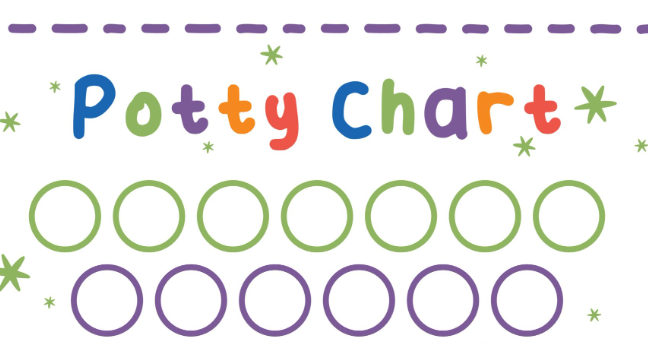
  • Sticker charts or small rewards

  • Happy dances or high-fives

  • Letting them flush or wash their hands independently

Avoid punishment or shame after accidents. Accidents are learning opportunities, not failures.

⚠️ Common Challenges (and What to Do)

Regression:
Changes like a new sibling, moving, or starting childcare or a new classroom can cause setbacks. Stay consistent and reassuring.

Fear of the Toilet:
Use a footstool for stability and allow time to adjust. Reading books or sitting together nearby can help.

Refusing to Go:
Take a short break from training and try again in a few weeks. Readiness can change quickly at this age.

🌙 What About Nighttime Training?

Night dryness usually comes later — sometimes months or even years after daytime success. Nighttime training depends on physical development, not practice.

Use pull-ups at night if needed and celebrate progress without pressure.

❤️ Remember: Every Child Learns at Their Own Pace

Some children potty train in a few weeks; others take several months. Both are completely normal. Your calm support, consistency, and encouragement matter more than speed.

Potty training is not just about using the toilet — it’s about building independence, confidence, and trust between you and your child.

Final Encouragement for Parents

Take breaks when needed, keep your expectations realistic, and celebrate small wins along the way. With patience and positivity, your child will get there — and you’ll both feel proud when they do.

You’ve got this!